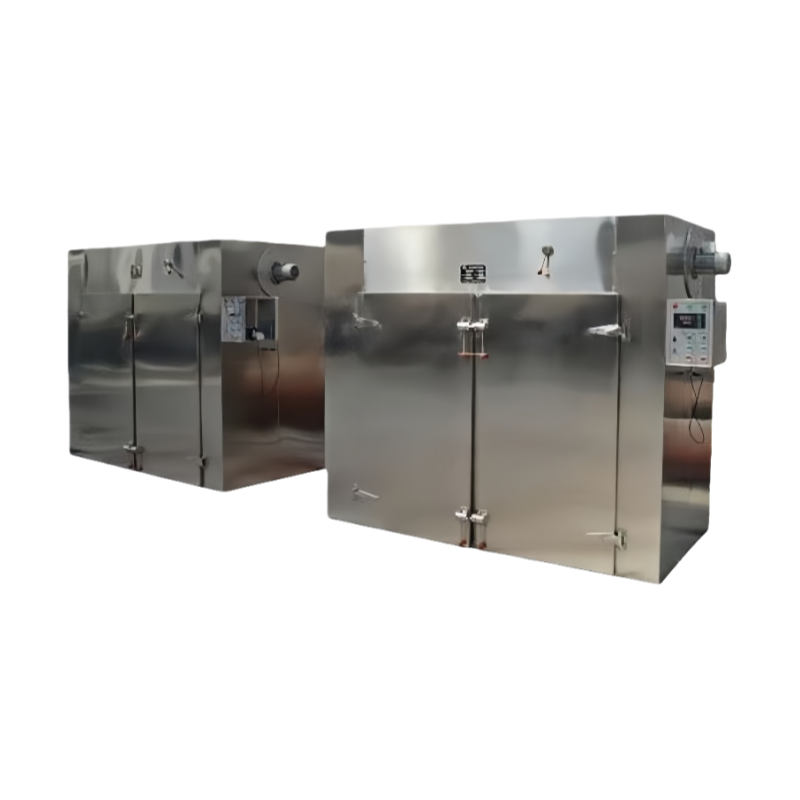
Food drying technology removes water to reduce the water activity of raw materials. It inhibits microbial growth and extends food shelf life. Meanwhile, it retains the color, flavor and nutrients of finished products to the maximum extent. This technology has gained widespread adoption across all types of agricultural and sideline food processing industries.
In fruit and vegetable processing, drying technology produces dried fruits such as raisins, dried jujubes and mango jerky. It also makes dehydrated vegetables, including dried coriander, carrots and shiitake mushrooms. These dehydrated ingredients serve as key raw materials for instant noodle seasoning packs, ready meals and soup bases. The technology also handles drying for medicinal and edible root crops like Chinese yam, goji berries and lily bulbs.
The aquatic processing industry uses low-temperature drying to manufacture dried shrimp, dried squid, dried fish, sea cucumbers and grilled fish fillets. For high-protein aquatic products, processors often apply advanced techniques such as radio frequency combined hot-air drying and microwave vacuum drying. These technologies prevent protein denaturation and lipid oxidation caused by high temperatures.
In meat processing, temperature and humidity controlled drying supports production of cured sausages, air-dried beef, meat slices and air-dried ham. Drying removes water and boosts flavor fermentation. It also stops hard crusts from forming on product surfaces.
For grain and oil crops, drying technology treats freshly harvested rice, corn and wheat. It lowers mold risks and secures grain storage safety. It also processes coarse grains like oats and coix seeds, alongside oil crops such as peanuts and tigernuts. This process optimizes subsequent oil pressing operations.
Mushroom products including shiitake, morels, tremella and matsutake mainly adopt staged variable-temperature drying. This method preserves product shape and polysaccharide content. Manufacturers generally select vacuum freeze drying for high-value wild mushrooms.
In the spice and condiment sector, producers use low-temperature drying for chili peppers, Sichuan peppercorns, star anise, ginger and garlic. This approach minimizes the loss of volatile aroma compounds.
The instant food and functional meal replacement industry uses vacuum freeze drying to create freeze-dried fruits, freeze-dried yogurt chunks and instant freeze-dried soup. Factories also rely on drying to dehydrate raw materials for fruit & vegetable powder and grain protein powder. Tea producers use drying to shape black tea, white tea and herbal tea, and terminate fermentation.
Beyond these industries, egg products and milk powder raw materials also use drying processes to produce powdered food. Manufacturers match customized drying solutions to different raw materials. Bulk agricultural products adopt heat pump drying or hot-air drying to control production costs. High-value heat-sensitive ingredients use vacuum freeze drying to retain nutrients. Aquatic and meat products can deploy microwave vacuum combined drying. Spices use low-temperature heat pump drying or infrared drying to protect their natural aroma.